 Español
 English


- Retornar
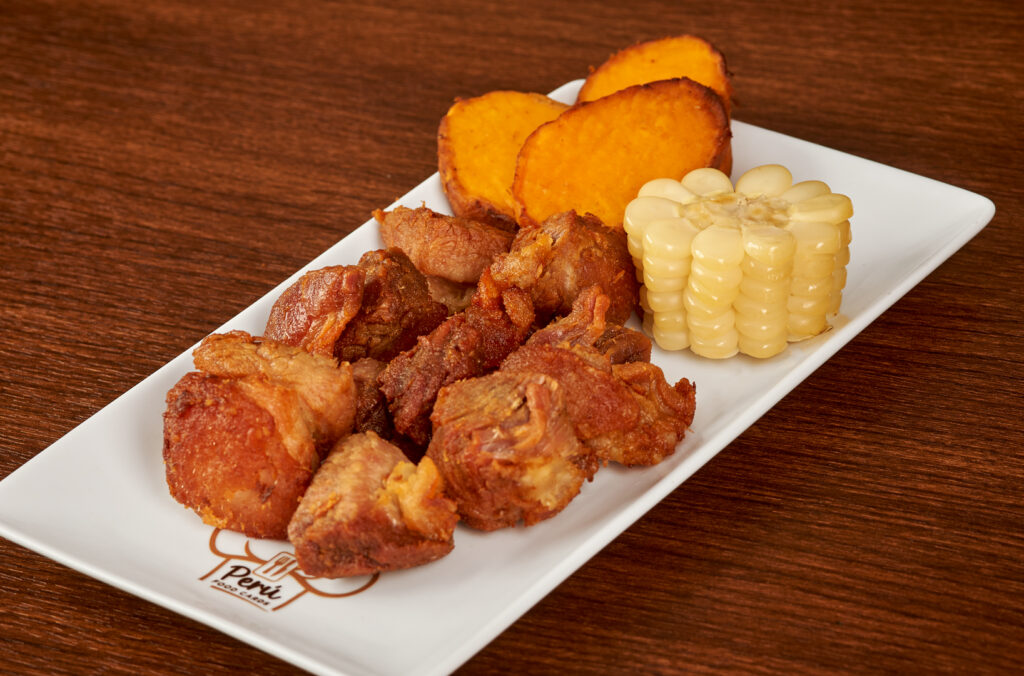
chicharron de cerdo
Pork chicharrón is a dish deeply rooted in Peruvian culinary tradition, with origins dating back to the colonial era. Introduced by the Spanish along with pig farming, it was quickly adopted by local populations, who adapted it to their own techniques and flavors. Initially prepared during rural festivities and patron saint fairs, chicharrón became established as a symbol of Andean cuisine, especially in regions like Cusco, Ayacucho, and Arequipa.
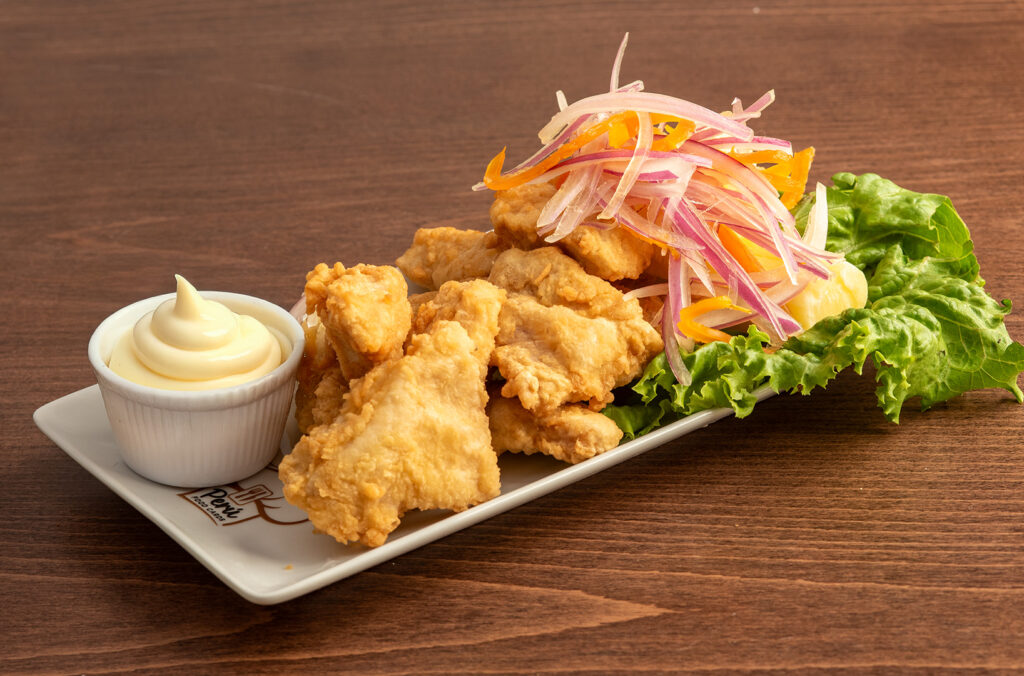
Chicharron de pescado
Chicharrón de Pescado is a popular coastal dish throughout Peru, especially in regions like Lima and the northern part of the country. Its origin is linked to the Peruvian fishing tradition and the influence of Creole cuisine.
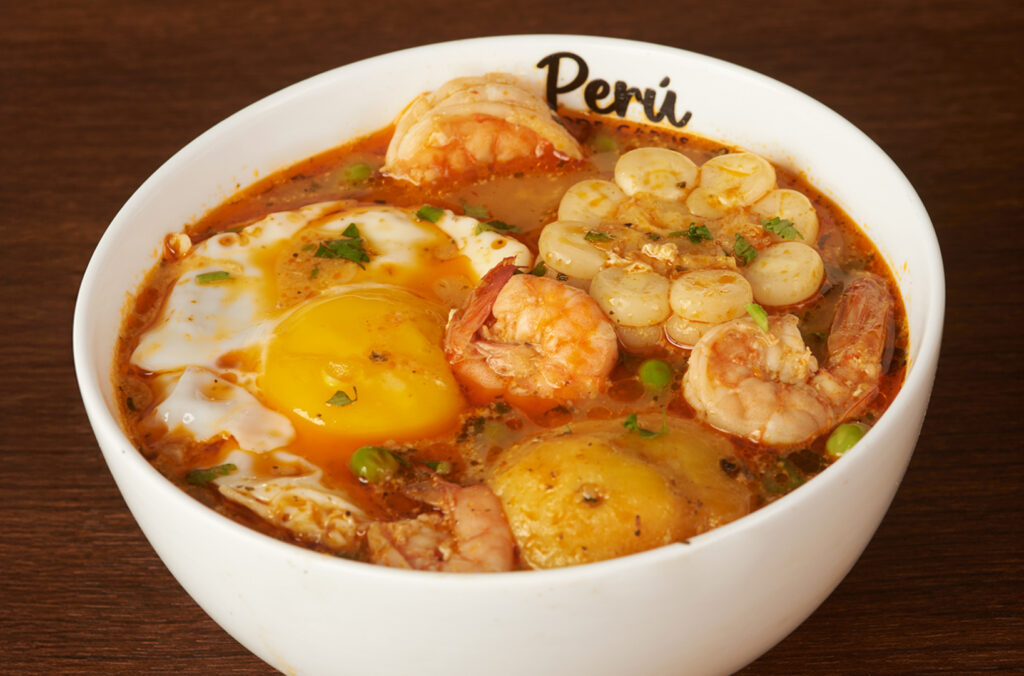
chupe de camarones
This abundant and comforting dish was originally prepared during the fishing season and on special occasions, such as Sundays or religious festivities. Over time, it became an expression of regional identity, representing the cultural and culinary mestizaje of Peru. The chupe de camarones symbolizes the generosity of Creole cuisine from the south: intense, warm, and deeply rooted in the collective memory.
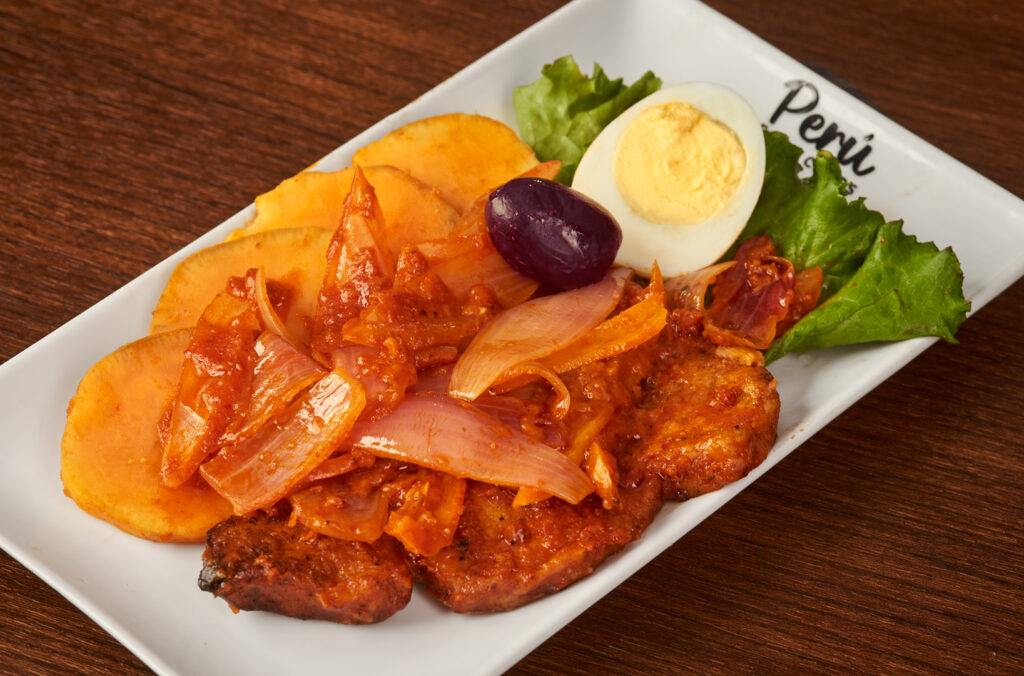
escabeche de pescado
Escabeche de Pescado is a traditional Peruvian dish with colonial roots, influenced by Spanish cuisine and adapted with chilies and vinegar to suit Creole tastes. Originating as a preservation method, it evolved into a festive and homemade preparation, especially popular on the coast. Its sweet-and-sour flavor and the combination of fried fish with a vinegar-based dressing made it a classic of Peruvian gastronomy, rich in history and Creole flavor.
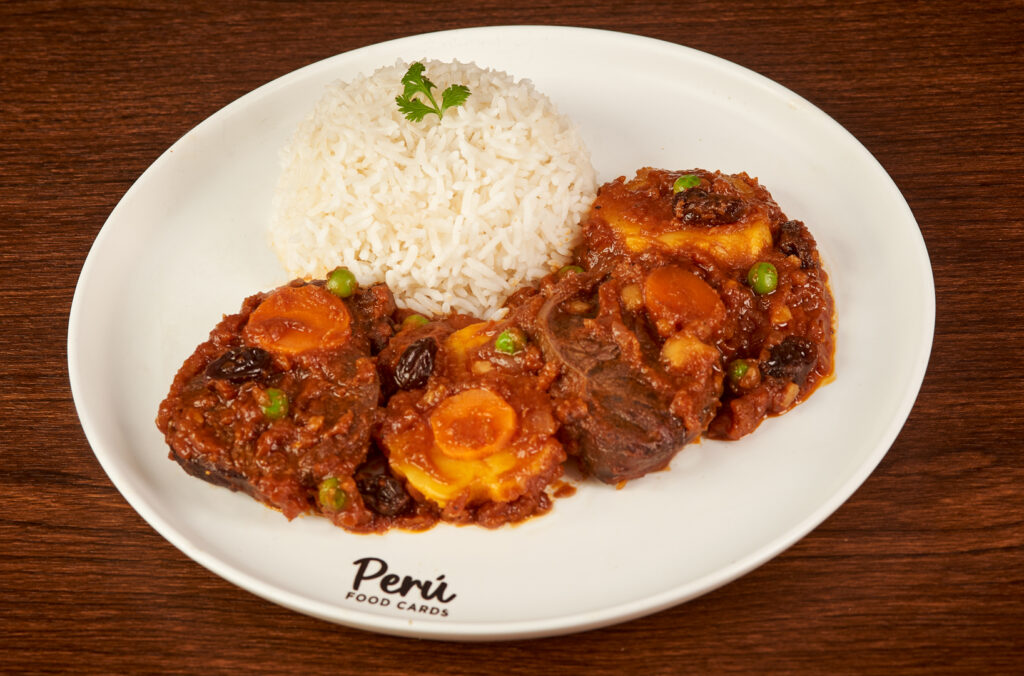
Estofado de res eng
The Estofado de res is a classic dish of Peruvian cuisine, inherited from Spanish tradition and adapted with local ingredients such as potatoes, carrots, and chili. Introduced during the colonial era, the stew became a staple meal in Peruvian homes due to its comforting flavor and its ability to bring the family together around the table. Over time, each region added its own unique touch, but always maintaining its essence: a slow-cooked, flavorful dish full of tradition.
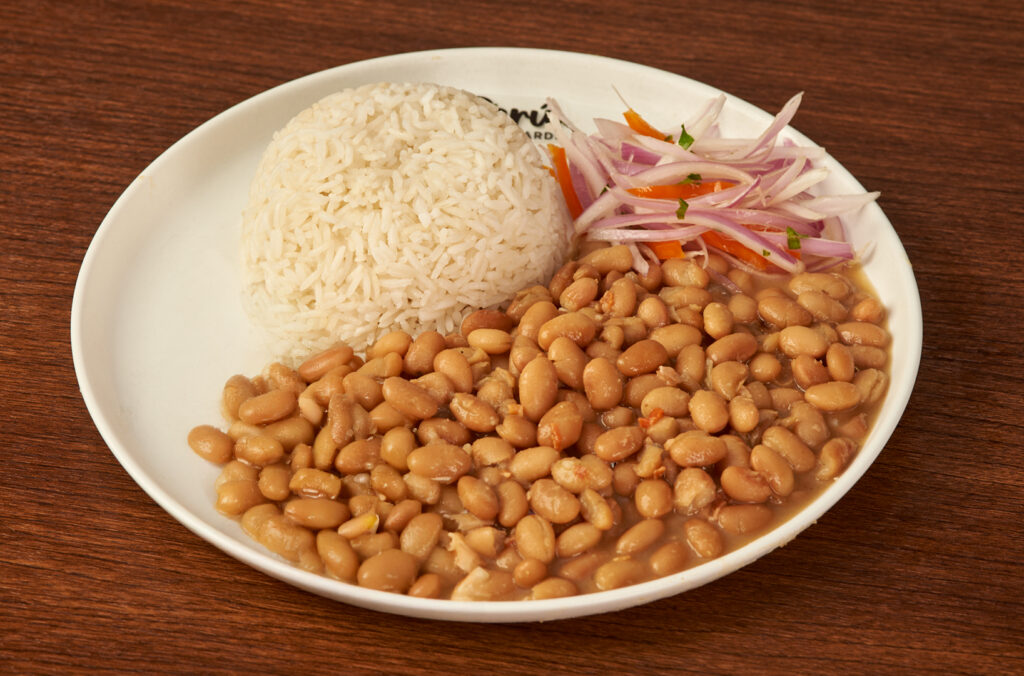
frejoles
Canary beans are a cornerstone of Peruvian Creole cuisine, valued for their creamy texture and mild flavor. Their origin dates back to the colonial era, when legumes brought by the Spanish were combined with local ingredients and Afro-Peruvian culinary traditions. Over time, the bean stew became an essential dish in Lima and coastal households, associated with home-cooked, nutritious, and hearty meals. Traditionally served with rice, criolla sauce, and a protein, canary beans are a symbol of simplicity, flavor, and cultural heritage.
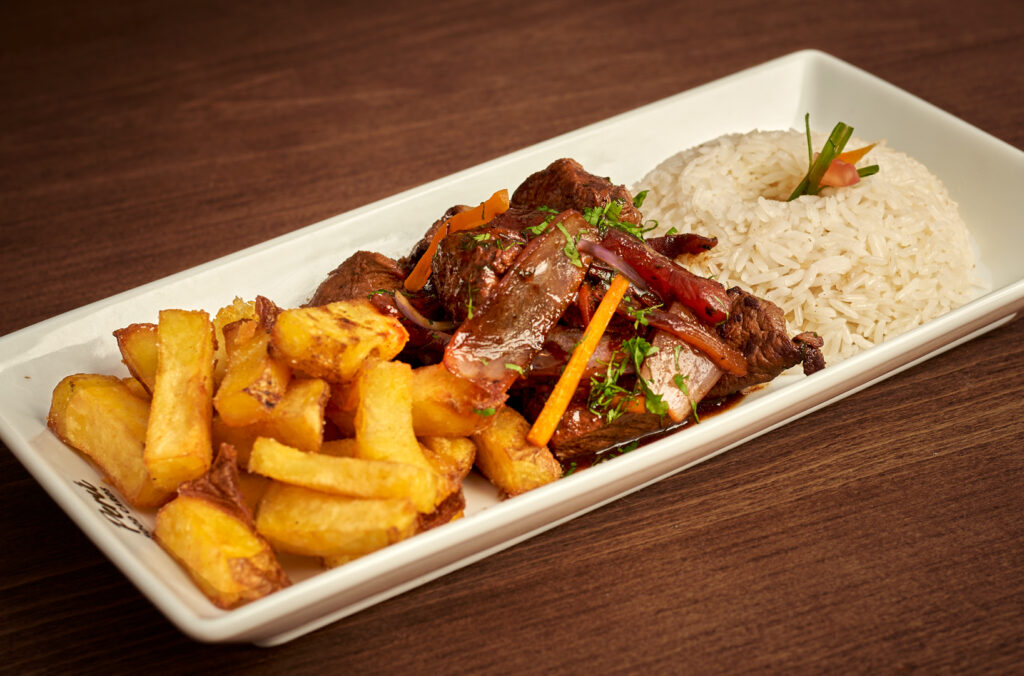
Lomo saltado
Lomo saltado is one of the most representative dishes of Peruvian cuisine and a clear example of the culinary fusion between East and West. Born in the 19th century due to the influence of Chinese immigration, it combines wok stir-frying techniques with Creole ingredients such as yellow chili, onion, and tomato. Originally called lomito de vaca, it evolved in flavor and form to become the lomo saltado we know today. It is a symbol of Chifa-Peruvian cuisine, where local tradition and immigrant creativity merge, reflecting the diversity and cultural richness of Peru.
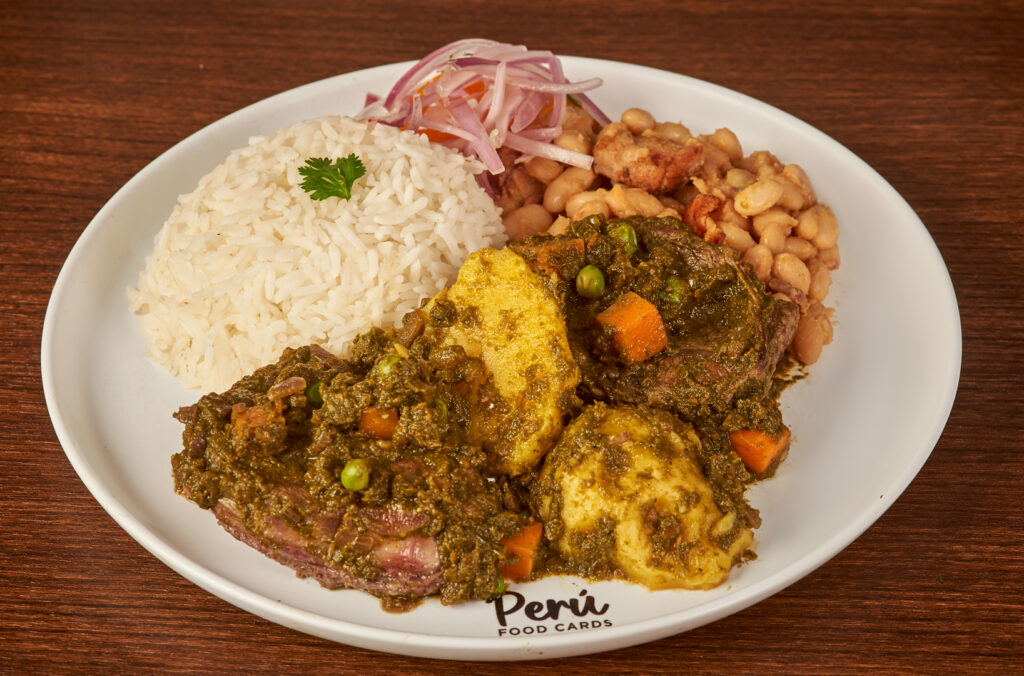
Seco de res
Seco de Res is a traditional dish of Peruvian cuisine with roots dating back to the colonial era and a strong Arab influence brought by the Spanish. Its slow-cooking technique, with meat marinated in chicha de jora or beer and spices, reflects this heritage. Over time, it adapted to the Peruvian environment by incorporating native ingredients such as culantro, which gives it its characteristic color and aroma. Seco de Res is especially popular on the coast and in northern Peru, where it has become a hallmark of Creole cuisine, cherished for its deep, homemade flavor.
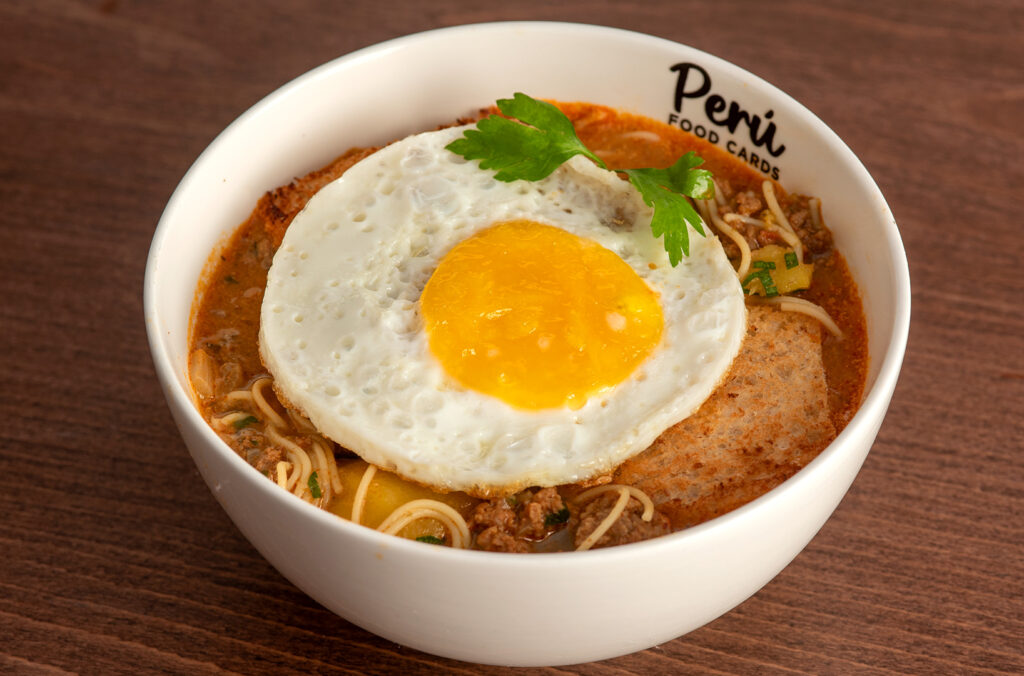
Sopa criolla
Sopa Criolla is a comforting and highly appreciated dish in Peruvian cuisine, especially in Lima’s homes.
Its origin is tied to Creole cuisine, a fusion of Spanish and indigenous flavors. It is made with beef, noodles, evaporated milk, panca chili, and a touch of oregano, giving it its characteristic homemade and slightly spicy flavor. It is perfect for cold days or as a main dish, and represents the warm and familial spirit of Peruvian gastronomy.
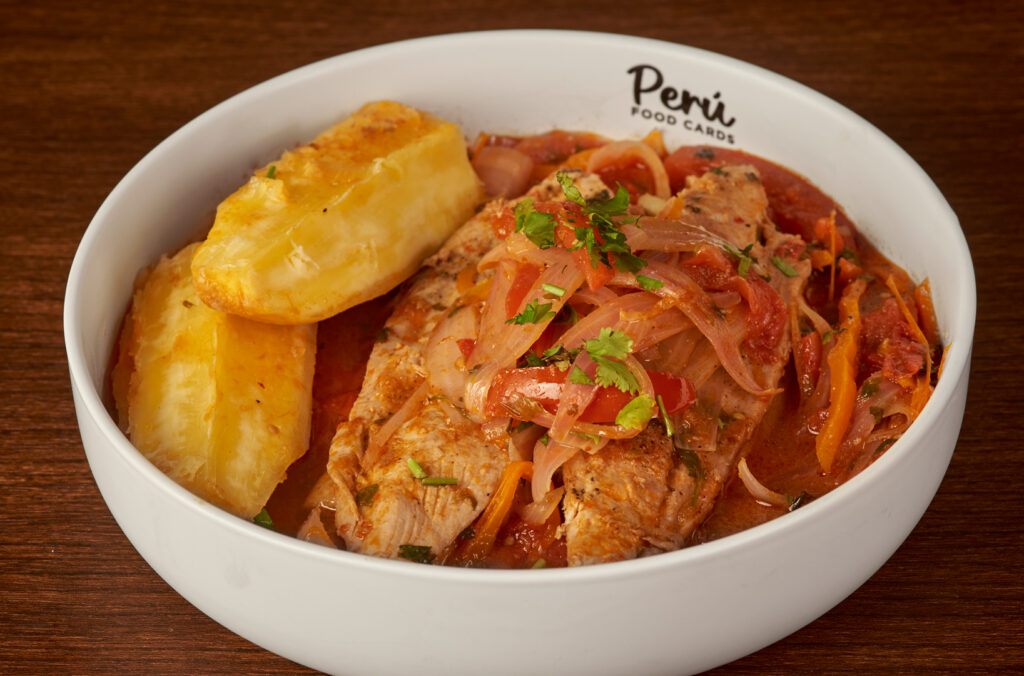
Sudado de pescado
Sudado de pescado is an iconic dish from the Peruvian coast, deeply tied to the tradition of fishermen. Of ancestral origin, it was created as a simple and effective way to cook fresh fish in its own juices, using local ingredients like chili, tomato, and chicha de jora. Its name comes from the steaming method of cooking in a covered pot, which helps concentrate the flavors. Over time, sudado became established as a homemade and nutritious dish, representing the direct connection between the sea, the land, and the Peruvian table.
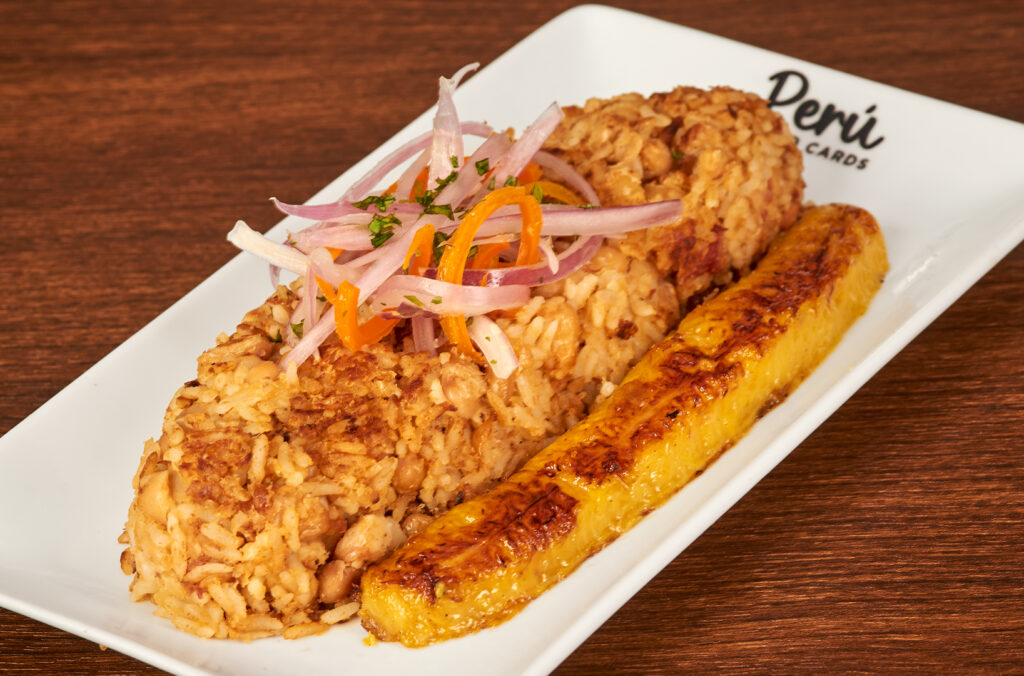
Tacu tacu
Tacu tacu is a traditional Peruvian dish born from popular ingenuity to reuse food. It originated during the colonial period, especially among Afro-descendant communities, who mixed leftover rice and beans from the previous day to create a new and flavorful preparation. Over time, tacu tacu was enriched with garlic, chili peppers, and various side dishes, becoming a symbol of Creole cuisine. More than just a simple accompaniment, it is an expression of creativity, resilience, and flavor that reflects the living history of Peru’s culinary mestizaje.
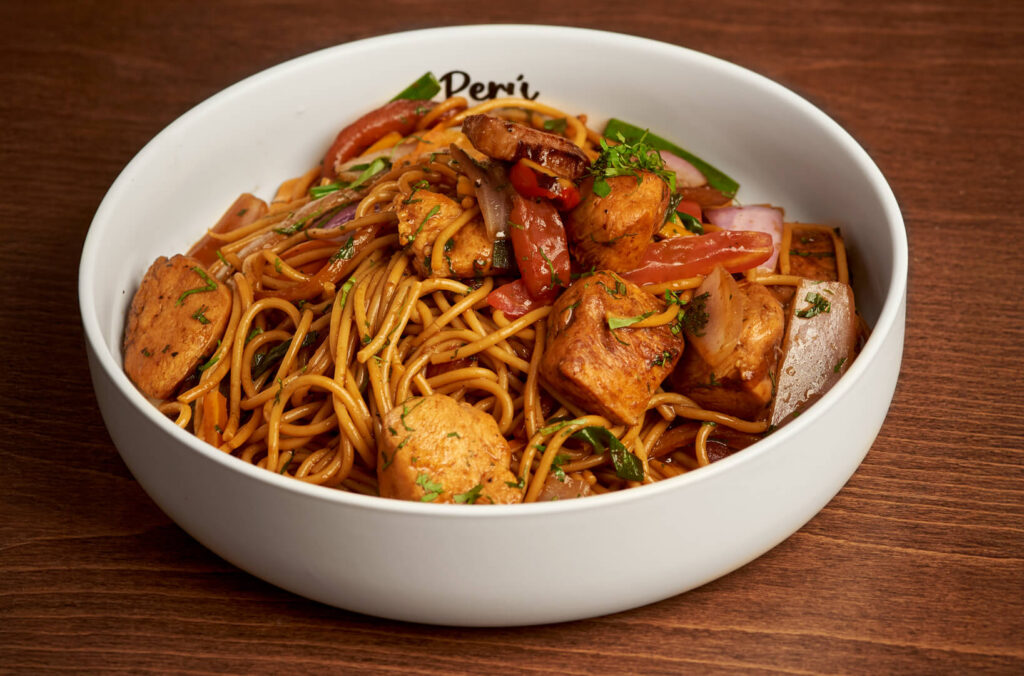
Tallarin saltado
Born from the encounter between Chinese cuisine and Creole tradition, Tallarín Saltado is a vibrant expression of Peruvian mestizaje.
Stir-fried over high heat, it embodies speed, flavor, and the identity of chifa, now an essential part of the Peruvian table.
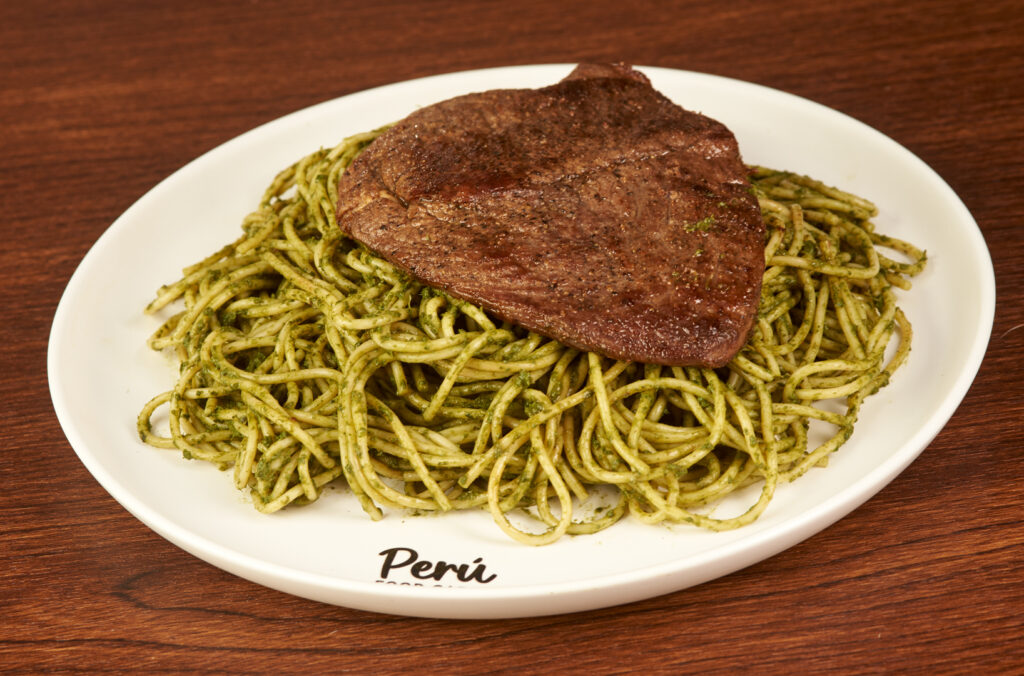
Tallarines verdes
Inspired by Italian pesto, Tallarines Verdes arrived in Peru with European immigration and were adapted to local tastes with basil, spinach, fresh cheese, and milk.
This creamy and aromatic Creole dish has become a Peruvian family classic, often served with steak or breaded meat.
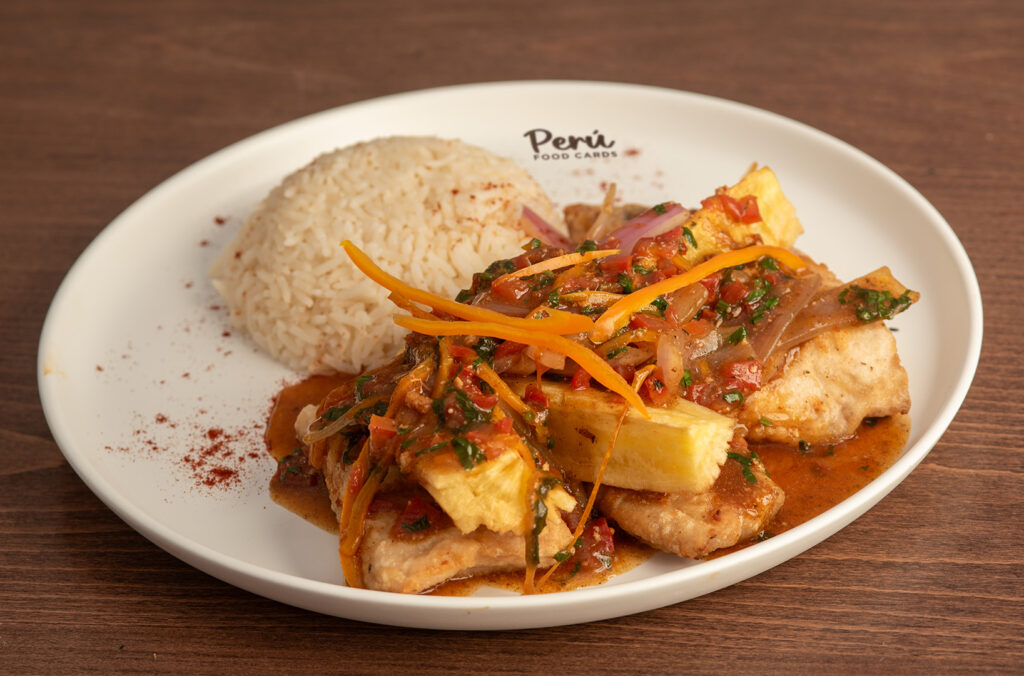
Pescado a la chorrillana
A classic of Lima’s cuisine, Pescado a la Chorrillana stands out for its simplicity and homemade flavor.
Born in the historic district of Chorrillos, it combines fried fish with a juicy Creole sauce made with onions, tomatoes, and yellow chili, evoking the spirit of the neighborhood and the sea.
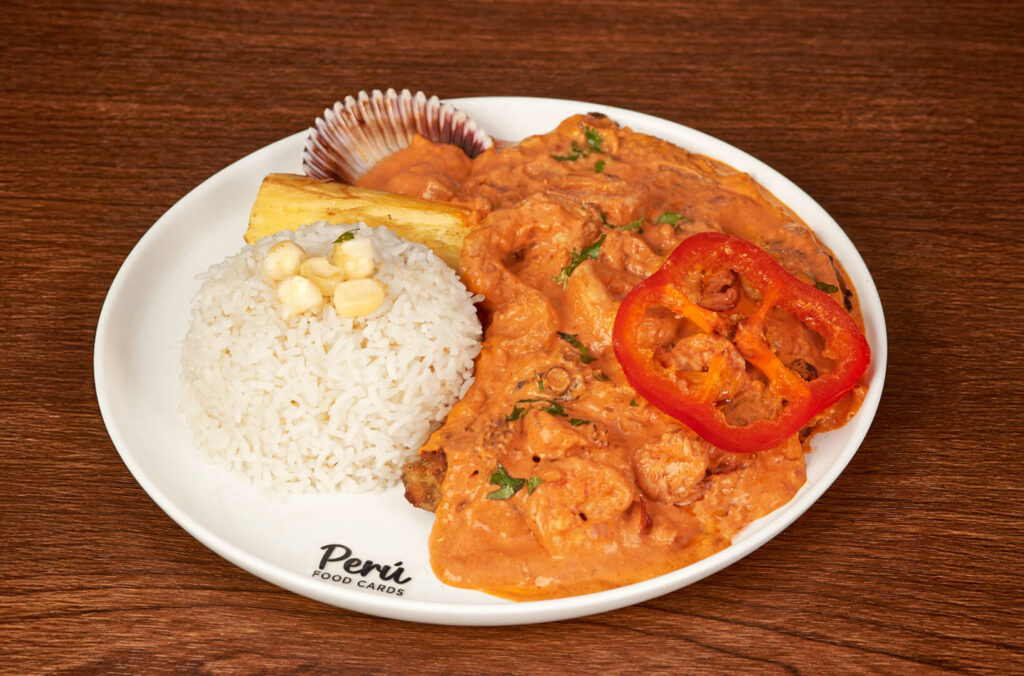
Pescado a lo macho
Originating from the Peruvian coast, Pescado a lo Macho is a traditional dish that reflects the fusion between artisanal fishing and Creole culinary creativity.
It emerged as a way to honor the fishermen, combining fish fillets with a spicy seafood sauce, symbolizing the rich marine flavors of Peru.
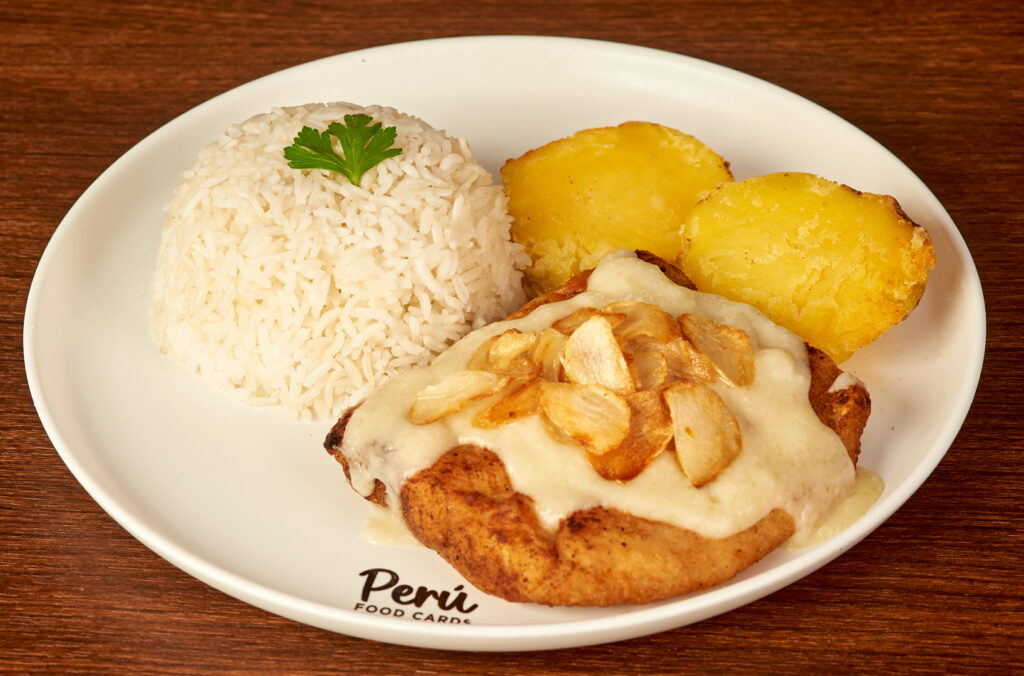
Pescado al ajo
Pescado al ajo is a traditional dish of Peruvian coastal cuisine that highlights the simplicity and strength of the marine flavor. This dish became popular in the coves and homes near the sea, where fresh fish takes center stage. With its intense aroma and comforting flavor, garlic fish reflects the essence of Peruvian cuisine: few ingredients, strong identity, and a deep respect for local products.
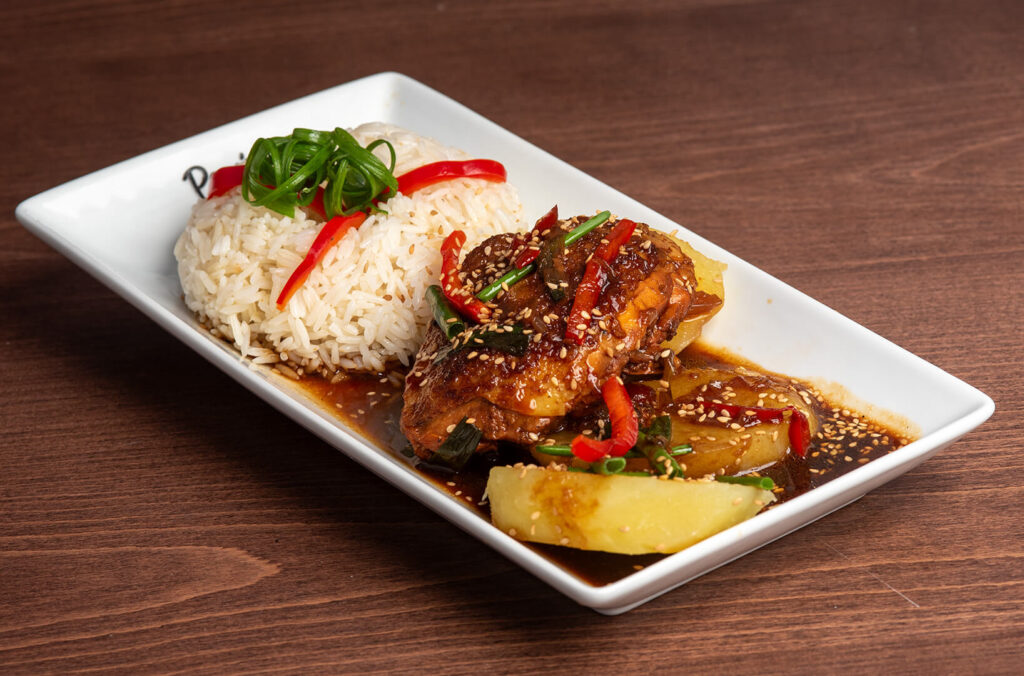
Pollo al sillao
A legacy of Chinese influence in Peruvian cuisine, Pollo al Sillao was born from the culinary mestizaje known as chifa.
Marinated in sillao (soy sauce), garlic, ginger, and spices, this dish combines Oriental techniques with local ingredients, offering a deep, savory, and slightly sweet flavor that has become a classic in Peruvian households.
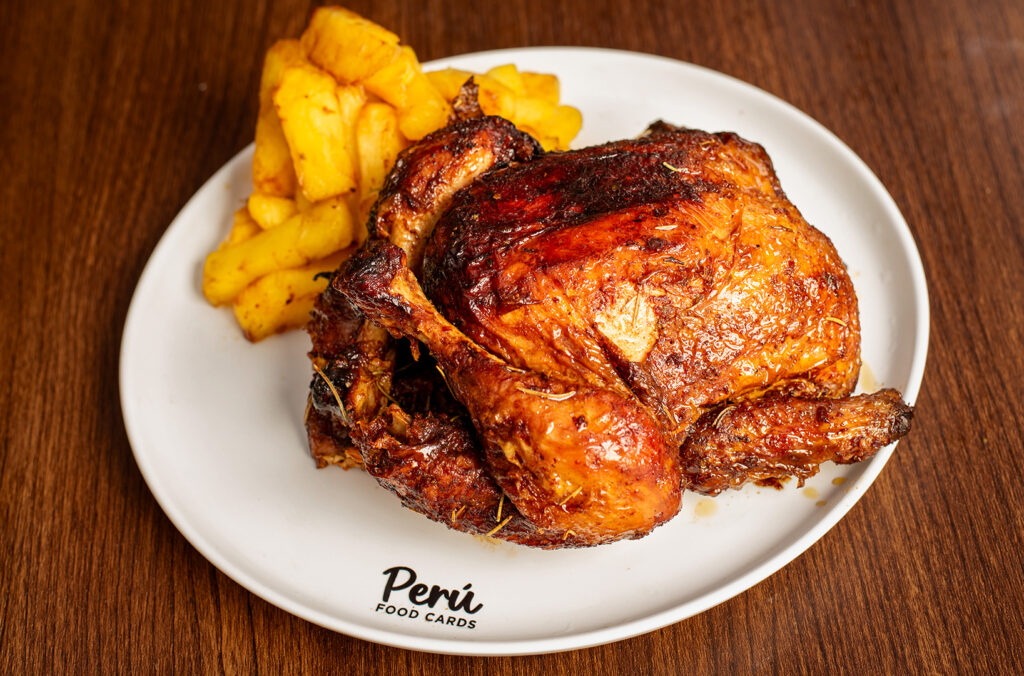
Pollo a la brasa
Pollo a la Brasa is one of the most popular dishes in Peru.
It originated in Lima in the 1950s and quickly became a national icon. Its unique flavor comes from a special marinade and the cooking method in a rotisserie oven, which makes it juicy on the inside and crispy on the outside.
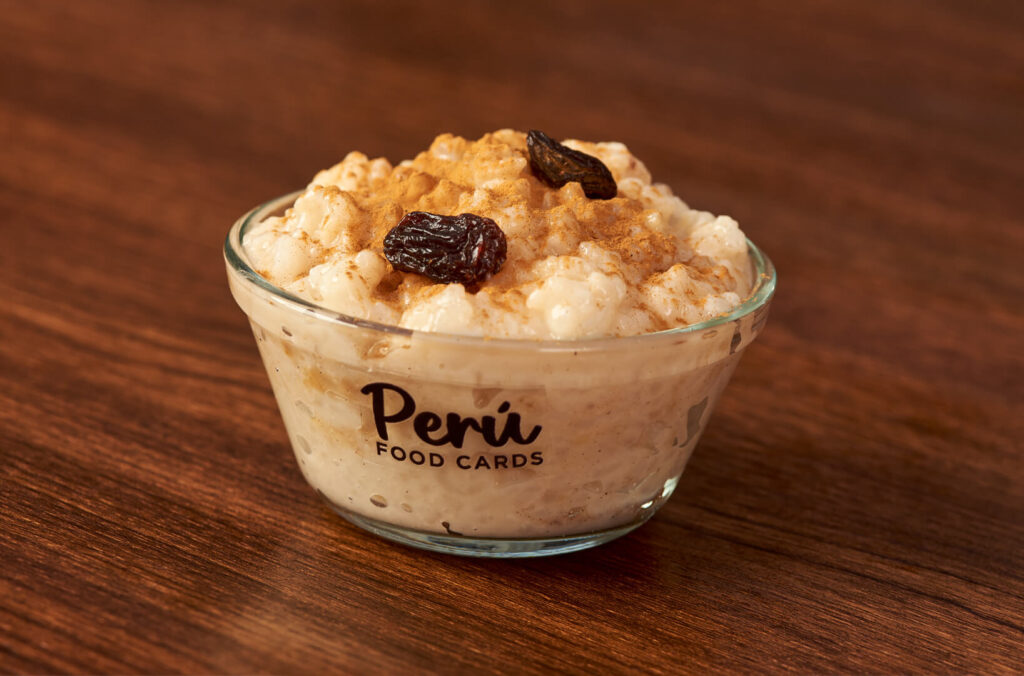
arroz con leche dessert
Arroz con Leche is a traditional dessert in Peru with colonial roots, inherited from Spanish cuisine and enriched with local ingredients such as cinnamon and cloves. Adopted by Creole and popular kitchens, it became one of the country’s most cherished sweets, present at patron festivals, family gatherings, and markets. Its simplicity and warmth have made it an essential part of Peru’s culinary memory, evoking childhood, home, and tradition.
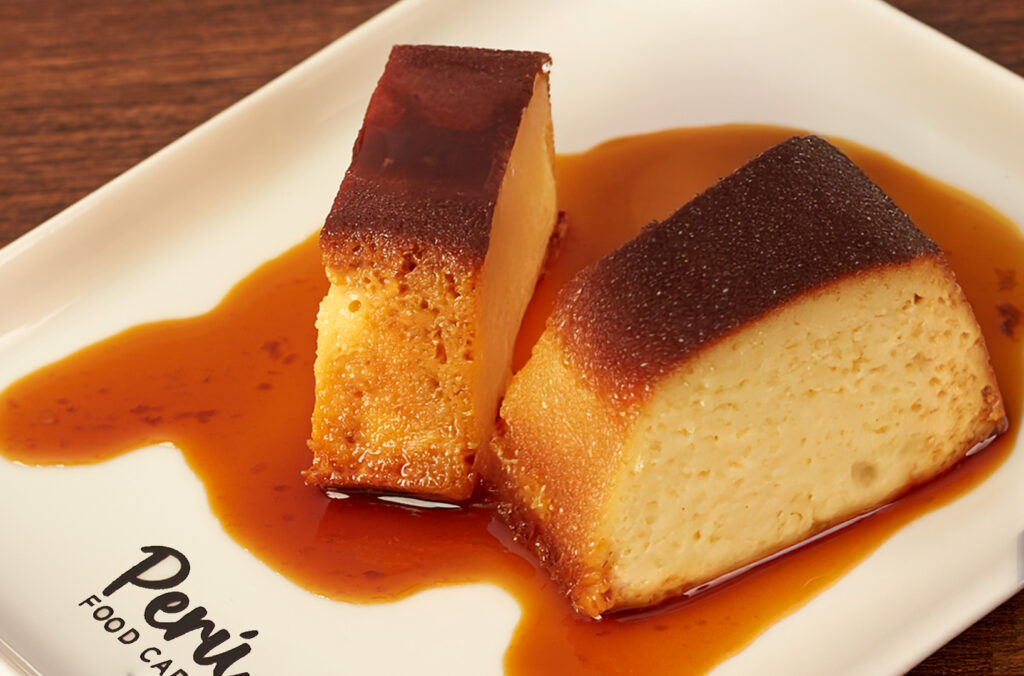
Crema volteada dessert
Crema volteada is a delicious Peruvian dessert, similar to flan, known for its smooth and creamy texture. Its name comes from the cooking process, where the flan is flipped so that the caramel layer ends up on top. This sweet treat, with its delicate and slightly sweet flavor, is highly appreciated in Peruvian cuisine and is typically served cold, making it an ideal way to end a meal with a sweet and elegant touch.